
Let’s get one thing straight: I firmly believe that running outside is superior to running inside, especially when running inside means running on a treadmill. Running outside on a track, a trail, or pavement is better in nearly all aspects, from maintaining form to reducing impact and stress on joints. But let’s get another thing straight: running at all is better than not running and there are some days when running outside just isn’t realistic for most people.
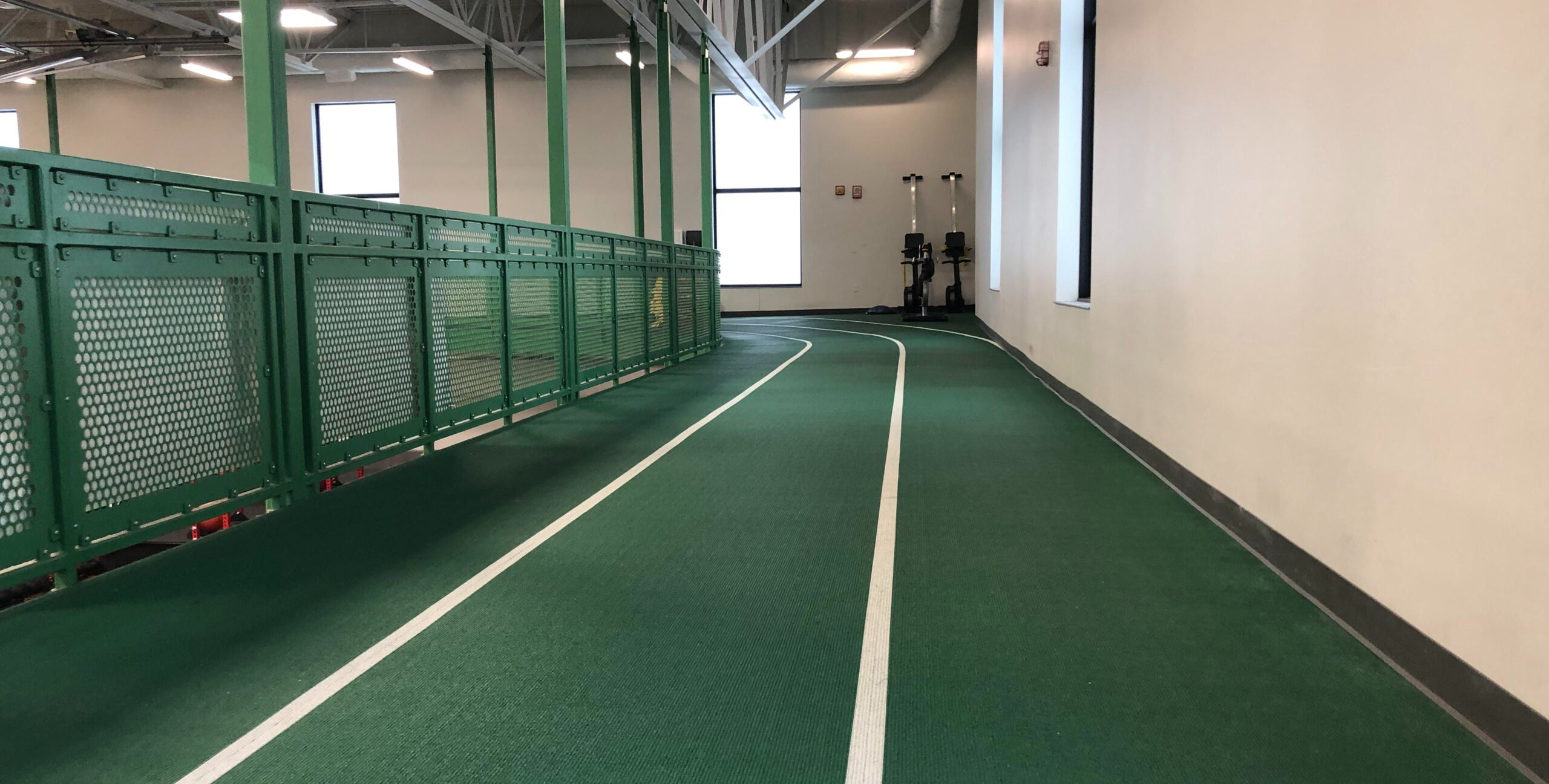
This morning I woke up to a consistent downpour of snow and 6-degree Fahrenheit weather. I had previously planned to go for a thirty-minute, low heartrate jog outside, but as I looked out my window at my newly white-coated lawn I just wasn’t feeling up to fighting the weather. So, I hopped in my car and drove to my local gym, which happens to maintain an indoor track. Sometimes there are days you just can’t run outside.
Of course, it wouldn’t have been impossible to run outside. With the proper gear and the right headspace, you can run in nearly every condition. But realistically, for most non-elite runners it just isn’t easy to get motivated to run in extremely sub-optimal conditions. While I pride myself on being able to run in all weather, there will always be days where the weather beats down my motivation and I struggle to get out the door into the snow (or heat, or rain…).
But as I mentioned before, while it is rarely ideal to run inside, getting a run in on a treadmill or an indoor track is exponentially better than just not running. When you choose not to run because of the weather, you are breaking with your established pattern of exercise. As I’ve written before, it is important for running to become a habit. I believe indoor running provides a valuable exception to the rule which can help people stay on-track (pun intended) with their training plans.
So why is running indoors less ideal? One simple reason is that when you run outside you usually have scenery which can both motivate you or, at least, take your mind off the pain your body is feeling long enough for you to grind through the tough parts of your workout. Running on a treadmill can become mundane after a few minutes. While this can be mitigated by watching Netflix or other entertainment during workouts, I have found that the beauty in the outdoors trumps any television show. Besides, aren’t you already inside for most of the day anyway?
Another reason why running outside is preferable is because you have a lot more freedom to choose your surface. While running on an indoor track doesn’t necessarily have adverse effects on impact, running on a treadmill can be deceiving. Most treadmills are designed to reduce and absorb impact, but push runners to shorten their stride, which encourages confusing inputs when translating treadmill training to outdoor running. In short, runners who train mostly on treadmills struggle to perform when running outside or on a track.
When you run on an indoor track, often your device has trouble connecting properly through the walls and ceiling of the building.
Finally, there is the logistical challenge of tracking your runs inside. Most watches and apps connect via satellite to track your location when you run and to provide data on distance and pace. When you run on an indoor track, often your device has trouble connecting properly through the walls and ceiling of the building. This is why you may sometimes notice your pace is between 30-60 seconds slower than it should be. Running on a treadmill hosts another set of problems for tracking performance due to the fact that you are running in place. While some devices have treadmill settings, the accuracy of these is often questionable. You could take the data the treadmill itself outputs and transcribe it into whichever app you use to track your runs, but that’s an extra step that I, for one, would prefer to skip.
Running indoors certainly has its place, but it is rarely a good substitute for pounding the pavement outside. That said, if the weather just won’t cooperate, sometimes it is the only option. Whether you choose to run inside or outside, the important part is just getting out and getting time on feet. Running will always trump not running, so don’t let the freezing cold or the scorching heat keep you from getting your workout in!
How has extreme weather forced you to adapt your training plan? When you run inside, what kinds of workouts do you do? Do you have access to a gym that maintains an indoor track? How do you stay motivated when the weather tries to beat you down?
If you liked this article, check out: What Happens When You Don’t Run.